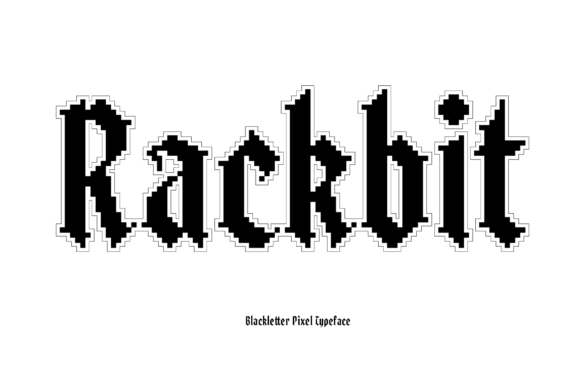
Rackbit: Blending Gothic History with Pixel Art Precision
The Visual DNA of a Unique Typeface
When you first encounter Rackbit, there is an immediate sense of tension between the past and the future. It is not just another display font; it is a specific aesthetic choice. At its core, Rackbit is a blackletter typeface, rooted in the dense, ornate scripts of medieval Europe. However, the designer has intervened with a distinct digital filter: pixelation. This isn't a smooth, vector-perfect recreation of a Gothic script. Instead, it feels like an old manuscript that has been scanned, digitized, and then deliberately degraded into a grid of pixels.
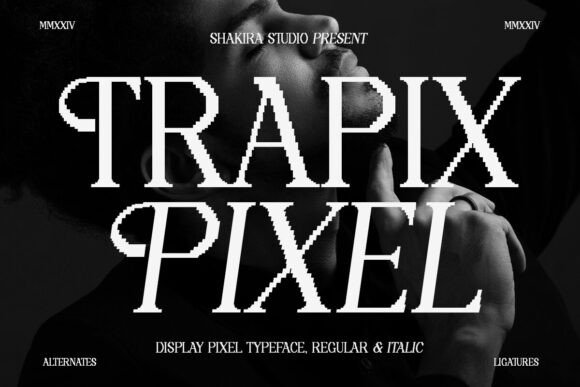
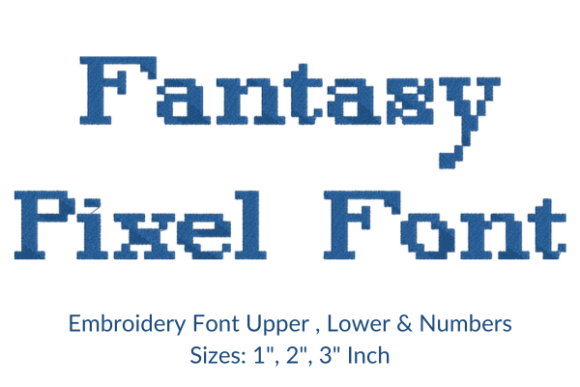
This "pixelated twist" gives the font a gritty, industrial texture. The sharp serifs and heavy strokes of traditional blackletter are still there, but they are interrupted by the rigid geometry of 8-bit or 16-bit graphics. It creates a style that is both historic and futuristic—a concept often described as "retro-futurism." For designers, this means you get the authority and weight of a heavy serif font combined with the energetic, technical vibe of a vintage video game interface.
Where Rackbit Finds Its Home
Understanding where to use a font like Rackbit is about matching its energy to your project's goals. Because it is a bold, eye-catching typeface, it functions best as a premium font for headlines, logos, and short bursts of text. It is not designed for body copy or long-form reading; rather, it is a tool for visual impact.
Branding and Logo Design
For entrepreneurs and small business owners, particularly those in the creative, tech, or entertainment sectors, Rackbit offers a strong starting point for logo design. If you are launching a brand that needs to feel edgy, rebellious, or deeply rooted in gaming culture, this typeface sets the tone instantly. It works exceptionally well for:
- Gaming and Esports Teams: The pixelated execution feels native to the gaming world.
- Craft Breweries and Distilleries: The blackletter roots lend a sense of heritage and craftsmanship.
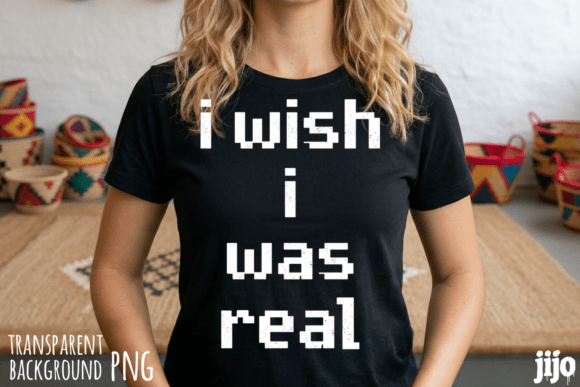
- Streetwear and Apparel: The bold, graphic nature of the font translates well to fabric and merchandise.
- Music and Entertainment: Perfect for album covers, band logos, or festival posters that need a heavy, industrial look.
Editorial and Digital Design
In the realm of editorial design and web design, Rackbit can serve as a powerful accent. Imagine a magazine cover or a blog header where the title needs to grab attention immediately. Pairing Rackbit with a clean, minimalist layout creates a stark contrast that draws the eye. It is also highly effective for social media graphics where you have only a split second to stop a user from scrolling. The intricate, pixelated details of the font create a texture that feels substantial and "real" in a digital space often dominated by flat, clean sans serif fonts.
Packaging and Print
For physical products, Rackbit shines in packaging design. It handles ink well and maintains its structural integrity at larger sizes. On a bottle label or a box sleeve, the font communicates a specific brand personality: one that values tradition but isn't afraid to break the rules. It works best when used for product names or taglines, leaving the necessary nutritional or legal information to a more legible, standard font.
Strategic Application and Visual Hierarchy
Choosing a typeface is a strategic decision that influences how your audience perceives your brand identity. Rackbit projects confidence and distinctiveness. Because it is a creative font with high visual noise, it signals that the brand is unafraid to stand out. However, this comes with a responsibility regarding readability.
Visual hierarchy is about guiding the viewer's eye. Rackbit should almost always sit at the top of this hierarchy. Use it for H1 headers, large pull quotes, or hero text on a landing page. Avoid using it for buttons, navigation menus, or small text labels. The pixelation that makes the font so charming at 48pt can make it illegible at 12pt. A common mistake in modern typography is using a complex display typeface where a simple sans serif font would suffice; Rackbit is a specialist, not a generalist.
Practical Guide: Pairing and Testing
One of the most common questions regarding complex display fonts is: "What do I pair it with?" Font pairing is the art of combining two typefaces to create contrast and harmony. Because Rackbit has such a strong, ornate personality, it requires a partner that is quiet and functional.
- Pair with a Geometric Sans Serif: The clean lines of a modern sans serif provide a perfect resting place for the eyes after viewing the complex Rackbit glyphs. The contrast between the medieval/pixel style and the geometric clarity creates a balanced, professional look.
- Avoid Script or Handwritten Fonts: Pairing Rackbit with a script font or handwritten font can often result in visual clutter. Both styles compete for attention, making the layout feel chaotic.
- Monospace Options: Given the "tech" aspect of Rackbit's pixel design, a clean monospace font can sometimes work well, reinforcing the retro-digital aesthetic without overwhelming the viewer.
Licensing and Asset Management
When you decide to integrate Rackbit into your toolkit, it is vital to review the licensing terms. As a commercial font, it is an investment in your design assets. Ensure that the license covers your intended use cases, whether that is for client work, merchandise for sale, or digital distribution.
Before finalizing a project, always test the font in context. Mock up your logo on a business card, a billboard, and a mobile screen. Check how the pixelated edges render on different screen resolutions. While Rackbit is designed to embrace a rough, digital aesthetic, you want to ensure it remains legible and intentional rather than blurry. By treating Rackbit as a bold statement piece rather than a utility text, you can leverage its unique blend of history and technology to create truly memorable designs.