Pixel Font Canva Frames: Your Alphabet for Instant Design Impact
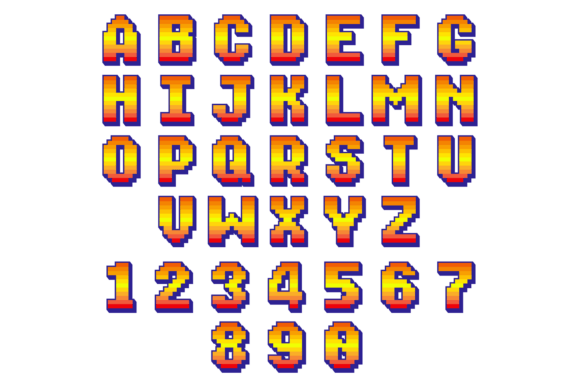
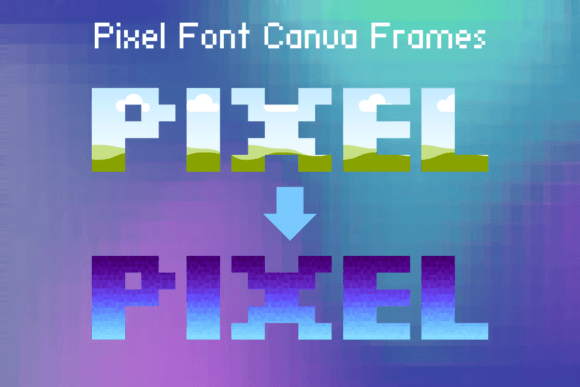
There’s a certain magic in pixel art. It’s nostalgic, direct, and carries a distinctive, blocky charm that cuts through visual noise. The Pixel Font Canva Frames Alphabet taps directly into that energy. This isn't just a set of letters; it's a complete design system built for Canva. It includes a set of custom pixel font alphabet letters integrated into Canva frames, plus two essential PDF files: one showcasing the frame and another with clear instructions on how to use it. The beauty of this asset is its scalability. You can size it down for a subtle social media icon or scale it up for a bold poster headline without losing its crisp, digital personality.
A Typeface That Balances Nostalgia with Modern Edge
Visually, this creative font is all about structured simplicity. Each letterform is constructed on a grid, giving it a clean, geometric foundation. Yet, within that structure, there's personality. The pixel edges aren't harsh; they have a slight softness that makes them approachable, blending the retro feel of early computing with a more contemporary, friendly aesthetic. This makes it a versatile display font. It’s not trying to be a workhorse sans serif font for body copy. Instead, it’s a specialized tool for grabbing attention, ideal for headlines, logos, and graphic elements where you want to inject character and immediate recognition.
Where This Pixel Font Truly Shines
Think about the projects where a unique visual hook makes all the difference. For social media graphics, this font is a standout. Use it for Instagram story headers, YouTube thumbnails, or TikTok text overlays to create a consistent, recognizable brand aesthetic that feels both playful and professional. In editorial design, it can headline a tech magazine spread or a gaming blog post, setting the perfect tone. For packaging design, especially for products aimed at a younger, digitally-native audience—like indie games, tech accessories, or retro-themed snacks—this typeface communicates the product's essence instantly.
Small business owners and entrepreneurs will find it invaluable for logo design. A pixel-based logo for a coding bootcamp, a gaming cafe, or a digital art studio conveys industry relevance with a single glance. It’s also a fantastic choice for print on demand designs. Imagine it on t-shirts, mugs, or posters for a gaming convention or a fan community. The scalability ensures your design looks sharp on any product. Beyond commercial use, it’s perfect for personal projects: party invitations, school presentations, or custom greeting cards that need a fun, tech-inspired vibe.
Strategic Impact: More Than Just a Pretty Face
Choosing a typeface is a strategic decision that influences how your audience perceives your message. The Pixel Font Canva Frames Alphabet does more than look cool; it shapes perception. Its inherent readability at smaller sizes (thanks to its clear, blocky forms) makes it excellent for UI elements, infographics, and captions where clarity is paramount. This contributes directly to a better visual hierarchy, guiding the viewer’s eye exactly where you want it.
From a brand perspective, consistency is key. Using this premium font across your touchpoints—from your website’s call-to-action buttons to your email newsletter headers and product tags—builds a cohesive brand identity. It signals a brand that is modern, detail-oriented, and perhaps a bit playful. This consistency fosters recognition; your audience will start to associate that distinct pixel style with your content, building trust and professionalism over time.
Making It Work for Your Projects
So, how do you integrate this asset effectively? Start by evaluating the project’s tone. Is it playful, technical, or nostalgic? This font excels in those categories. It might be less suitable for a law firm’s annual report, but it’s perfect for a tech startup’s pitch deck.
Next, consider font pairing. A strong display font like this needs a complementary partner for body text. Pair it with a clean, neutral sans serif font like Roboto or Open Sans for a balanced, modern look. For a more editorial or techy feel, try pairing it with a geometric sans serif. Avoid pairing it with other highly decorative fonts like a script font or an ornate serif font, as this can create visual clutter and fight for attention.
Always test the included styles. The provided files give you flexibility. Use the frame version for standalone letter graphics that can be easily manipulated in Canva. Use the alphabet letters for more integrated text layouts. Review the instruction PDF—it’s there to save you time and unlock the full potential of the asset. And remember, because it’s designed for Canva, the workflow is seamless for anyone already using the platform, removing the technical barrier of installing external design assets.
Finally, think about readability in context. While excellent for headlines, using a pixel font for a full paragraph of small text can strain the eyes. Use it strategically for impact, and rely on more traditional, legible typefaces for extensive reading. This thoughtful application is what separates good design from great design, ensuring your work is not only beautiful but also effective and accessible.