Modernizing Your Digital Presence with Illustration Landing Pages
In the competitive landscape of web design, capturing a visitor's attention within the first few seconds is not just an advantage—it is a necessity. We have moved past the era of heavy, photorealistic hero images that often slow down site performance and confuse the user message. Today, the most effective way to convey complex services or abstract business concepts is through clarity and charm. This is precisely where Illustration Landing Pages come into play. This resource is not merely a collection of graphics; it is a fully realized design system built around a modern, flat illustration concept that serves as a powerful tool for digital storytelling. If you are looking to bridge the gap between a functional interface and a delightful user experience, integrating these vector assets into your workflow is a strategic move that yields tangible results.
The Strategic Value of Flat Illustration in Modern Web Design
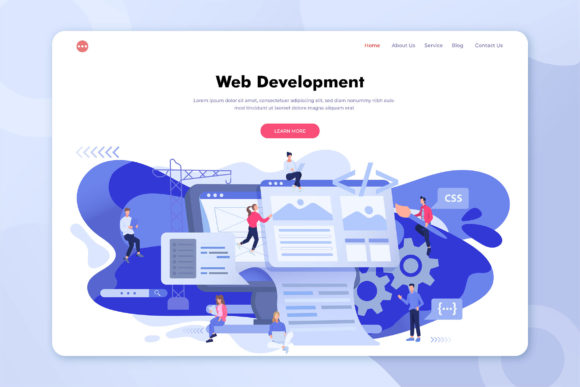
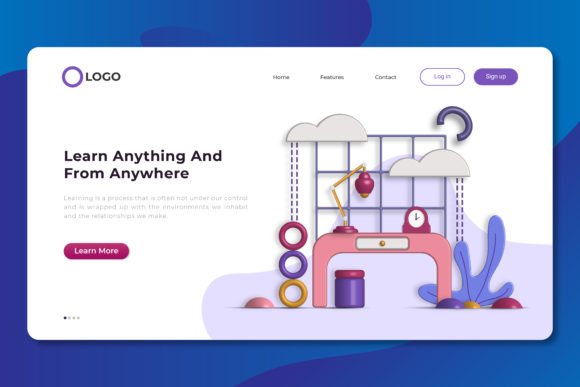
The "flat" design philosophy has endured because it prioritizes functionality and readability over unnecessary embellishment. However, the style found in Illustration Landing Pages has evolved beyond the sterile, geometric shapes of the early 2010s. This collection features a contemporary aesthetic that balances simplicity with personality. The visual characteristics are defined by clean lines, thoughtful color palettes, and a sense of approachability that rigid stock photography simply cannot match.
For designers and entrepreneurs, the personality of these illustrations conveys a specific brand message: one of innovation, friendliness, and transparency. When a potential customer lands on a homepage featuring these vectors, the immediate impression is one of a company that is modern and user-centric. This is crucial for brand identity. By utilizing a consistent illustration style, you create a visual language that speaks to your audience without relying on text alone. It transforms abstract concepts—like "cloud computing," "synergy," or "growth"—into tangible, visual metaphors that are instantly recognizable.
Practical Applications: From Homepage Heroes to Marketing Materials
While the name suggests a specific use case, the versatility of Illustration Landing Pages extends far beyond a single webpage header. Because the files are delivered in a high-resolution format (300 DPI) with an RGB color profile, they are optimized for the digital ecosystem but robust enough for specific print applications. This adaptability makes them an essential component of your design assets library.
Here is how you can leverage these assets across different verticals:
- Web Design & Mobile Apps: The primary use case is, of course, the homepage. The vector nature ensures that shapes remain crisp on 4K monitors and mobile screens alike. You can use them to guide the user's eye toward a Call to Action (CTA) or to break up dense blocks of text on a pricing page.
- Presentation Decks & Pitching: For startups and agencies, visual storytelling is key to securing investment or clients. These illustrations can transform a mundane slide deck into a persuasive narrative, helping to explain workflows or data structures visually.
- Social Media Graphics: Consistency is vital on platforms like Instagram and LinkedIn. By extracting elements from the landing page designs, you can create a cohesive set of social media graphics that maintain your brand’s visual integrity across every post.
- Email Marketing: Newsletters often suffer from visual fatigue. Inserting these charming, flat illustrations can increase click-through rates by adding a layer of delight to your communication.
The ability to combine different elements means you are not locked into a static layout. You can create custom scenes that fit specific narratives, whether you are a blogger explaining a workflow or a small business owner showcasing a service.
Customization and Workflow: Making the Design Your Own
One of the most significant pain points for designers working with stock assets is the inability to edit the source files. A JPEG or PNG is a dead end; you cannot change the color of a character's shirt or resize a specific icon without pixelation or awkward workarounds. Illustration Landing Pages solves this by providing fully editable vector files compatible with Adobe Illustrator.
This level of customization is vital for maintaining visual hierarchy and brand consistency. If your corporate identity relies on a specific shade of teal or a particular aesthetic, you can easily modify the color of each shape to match your style guide. This ensures that the illustrations do not feel like "foreign" elements pasted onto your site, but rather native components of your brand ecosystem.
Furthermore, the "Smart Layer" functionality streamlines the workflow for busy professionals. It reduces the technical friction, allowing you to focus on the creative application rather than the technical setup. Whether you are a seasoned vector artist or a marketer with basic design skills, the learning curve is minimal. You can resize elements to fit mobile sidebars or expand them for wide-screen desktop headers without losing quality, ensuring your site looks professional on every device.
Enhancing User Experience and Conversion Rates
Design is not just about aesthetics; it is about psychology. The "charming designs" mentioned in the asset description serve a functional purpose: they build trust. In the digital space, trust is the currency of conversion. A website that feels outdated or generic can subconsciously signal to a visitor that the business behind it might also be outdated or generic.
By utilizing Illustration Landing Pages, you inject a sense of care and attention to detail into your user interface. These designs help humanize your digital presence. For example, using an illustration of a person interacting with a device can help the user visualize themselves using your product. This subtle psychological trigger can significantly increase customer confidence in your services and products.
Moreover, illustrations are excellent tools for directing attention. In a layout, a character looking toward a sign-up form or an arrow created by the composition of shapes can subtly guide the user’s eye. This non-verbal communication is a hallmark of sophisticated web design and is essential for improving the usability of your landing pages.
Technical Specifications and Best Practices
To get the most out of this resource, it is important to understand the technical specifications provided. The 1920(w) pixel width is the standard for modern desktop resolution, ensuring your hero sections look sharp on full screens. However, because these are vectors, you are not strictly limited to these dimensions. You can scale them up for massive displays or down for mobile screens with zero loss of fidelity.
The inclusion of free fonts used in the preview is a thoughtful touch, as it allows you to replicate the exact look of the promotional materials if you choose. However, the real power lies in mixing these illustrations with your own typography choices. The flat style of the graphics pairs exceptionally well with clean, modern sans serif fonts, creating a balanced aesthetic that is easy to read and visually appealing.
Remember that while the preview images are for demonstration, the actual download provides the raw building blocks for your creativity. Whether you are revamping a corporate site, launching a new mobile app, or creating a portfolio, these assets provide the visual vocabulary you need to communicate effectively. Embracing the flat illustration trend is not just about following a fad; it is about adopting a clear, efficient, and human-centric approach to digital design.