Mastering Modern Branding with Abstract White Gradient Paper Background
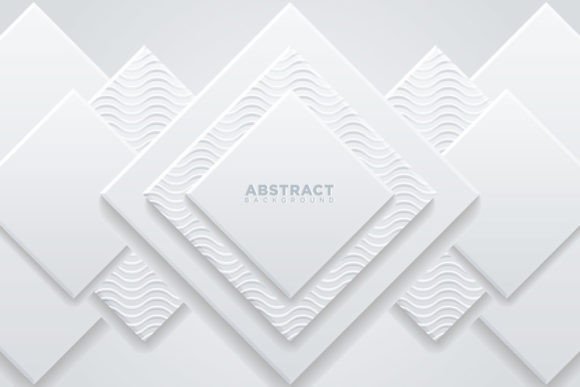
In the world of visual communication, texture often speaks louder than color. When you are building a brand identity or designing a marketing campaign, the background is rarely just empty space; it is the foundation of your message. The Abstract White Gradient Paper Background offers a sophisticated solution that balances minimalism with depth. This isn't just a flat white canvas; it is a carefully crafted 3D vector background featuring a hexagonal texture with subtle wavy patterns and layered paper decoration. It brings a tactile, physical quality to digital spaces, making it an essential design asset for anyone looking to elevate their visual content.
The Anatomy of the Design: Hexagonal Texture and Layered Depth
Understanding the specific characteristics of this background helps you use it effectively. The core appeal lies in its complexity within simplicity. The "hexagonal textured" element provides a geometric structure that feels modern and organized, while the "wavy patterns" soften the look, preventing it from feeling too rigid or clinical. This combination creates a dynamic surface that catches the eye without overwhelming the foreground content.
Furthermore, the "layered paper decoration" aspect introduces a sense of realism. By simulating the depth of physical paper, this 3D vector background adds a premium feel to your projects. Whether you are using it for a website hero image or a printed brochure, the white gradient ensures that your text remains legible while the texture adds visual interest. It is a perfect example of modern typography principles applied to background design—supporting the content rather than competing with it.
Practical Applications: From Digital to Print
The versatility of the Abstract White Gradient Paper Background is one of its strongest features. Because it is delivered as fully editable vector files (Illustrator EPS) and high-resolution images (1200x800 pixel), it fits seamlessly into a variety of workflows. Here is how different professionals can leverage this asset:
- Web Design and UI: Use this background for landing pages or "About Us" sections. The subtle hexagonal pattern adds texture that looks excellent on high-resolution screens, creating a clean, professional aesthetic that improves user experience.
- Logo Design and Brand Identity: When presenting logo concepts to clients, placing your design against this textured white background can make the colors pop. It provides context and scale, helping clients visualize how the logo might look on physical stationery or packaging.
- Social Media Graphics: Platforms like Instagram and LinkedIn are crowded. A generic solid color background often gets lost in the scroll. The gradient and wave patterns of this vector background offer enough visual intrigue to stop the thumb, making it ideal for quote cards, announcements, or promotional banners.
- Publishing and Editorial Design: For book covers, magazine layouts, or flyers, this background provides a tactile feel that mimics high-quality paper stock. It is particularly effective for minimalist designs where the typography is the hero.
Customization and Color Modes
One of the most practical features of this package is the RGB Color Mode and full editability. If the pure white gradient doesn't quite match your brand guidelines, you can easily adjust the hue to a cool blue-white or a warm cream. Because the files include editable objects and colors, you aren't locked into a single look. You can isolate the hexagonal patterns, adjust the opacity of the waves, or change the color of the layered paper elements to suit specific campaigns. This flexibility is crucial for maintaining brand consistency across different platforms.
Influencing Brand Perception and Engagement
Backgrounds do more than fill space; they set the emotional tone. A textured background like this one suggests that a brand values detail, quality, and modern aesthetics. It moves away from the "flat design" trend that dominated the early 2010s and embraces a more mature, dimensional style.
For small business owners and entrepreneurs, using a premium font paired with a high-quality background like this signals professionalism. It tells your audience that you care about the details. When you use a clean, textured background, you improve the readability of your message. The white gradient ensures high contrast for dark text, which is essential for accessibility, while the texture adds a layer of sophistication that a plain white rectangle cannot achieve.
Pairing with Typography
Because this background is versatile, it works well with a wide range of typefaces. However, to maximize its impact, consider these pairing strategies:
- Sans Serif Fonts: Pairing the background with a clean, geometric sans-serif font amplifies the modern, tech-forward feel. This is excellent for SaaS companies, startups, and digital agencies.
- Serif Fonts: If you want to balance the modern texture with a touch of tradition, a classic serif font works beautifully. The contrast between the structured hexagons and the organic strokes of a serif creates a timeless elegance suitable for law firms, consultancies, or luxury brands.
- Script and Handwritten Fonts: For creative projects, wedding invitations, or lifestyle blogs, using a script font against this background creates a soft, personal, yet polished look. The wavy patterns in the background complement the fluidity of handwritten styles.
Conclusion: Elevating Your Visual Strategy
In a digital landscape saturated with content, the details make the difference. The Abstract White Gradient Paper Background is more than just a stock image; it is a strategic design tool. By incorporating this 3D vector background into your workflow, you gain access to a professional, clean, and highly adaptable visual foundation. Whether you are designing a banner for a trade show, a cover for a report, or a background for a social media campaign, this asset provides the texture and depth needed to make your work stand out. It is a small investment that yields significant returns in visual quality and brand perception.